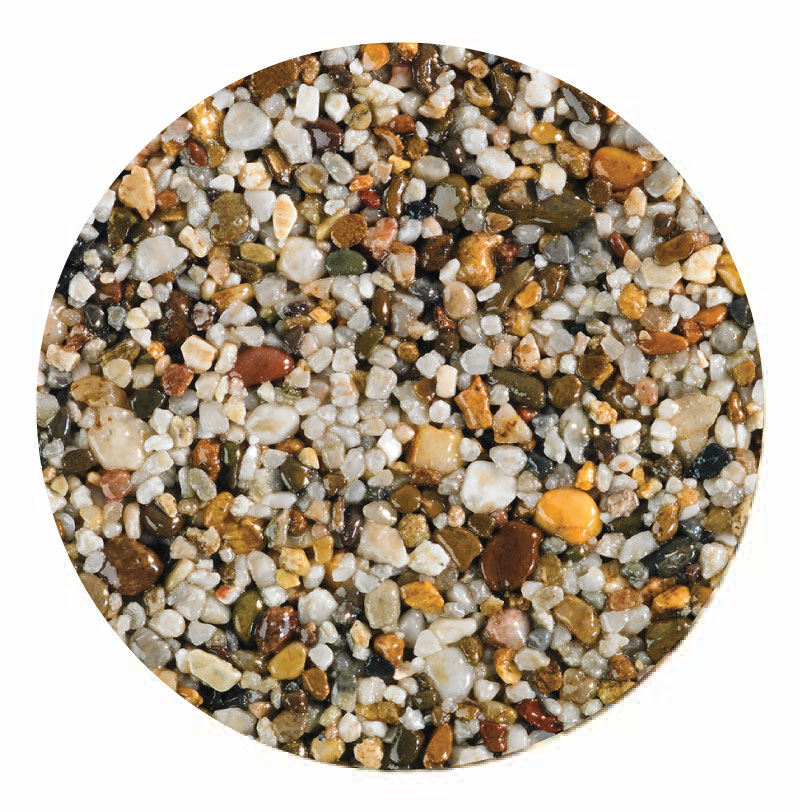
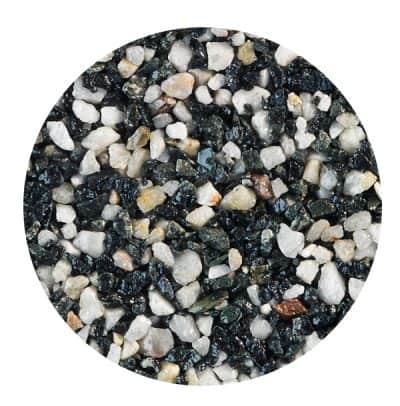
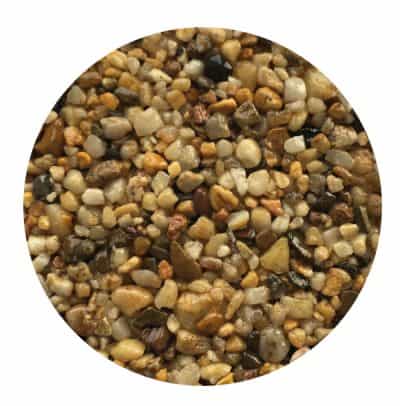
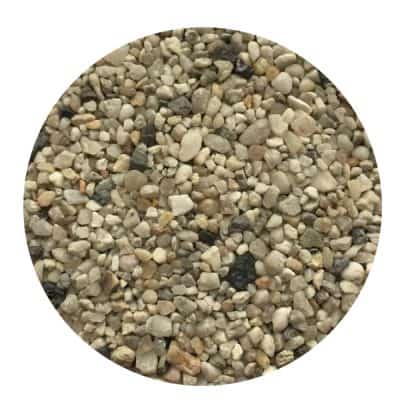
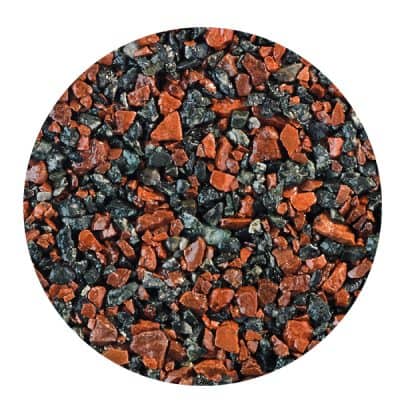
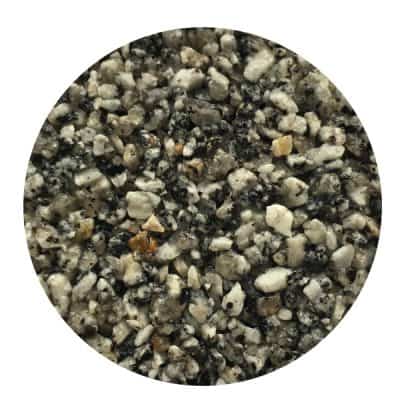
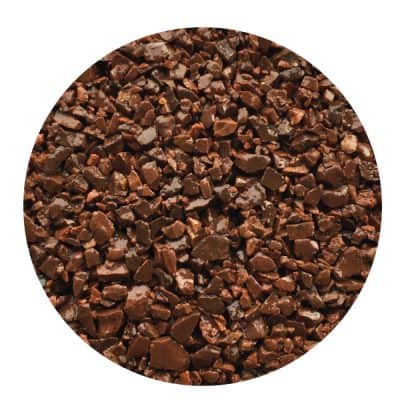
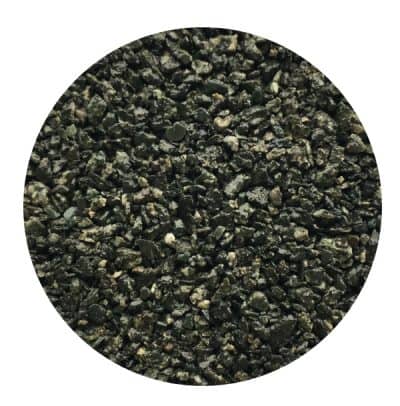
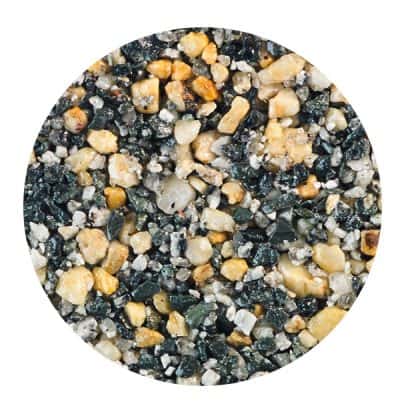
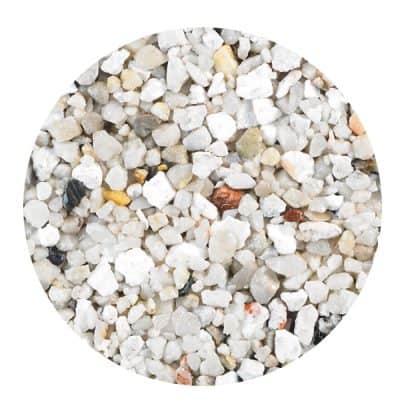
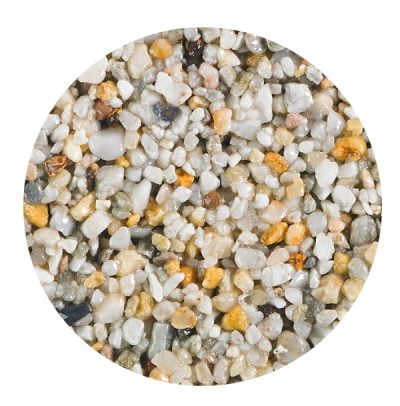
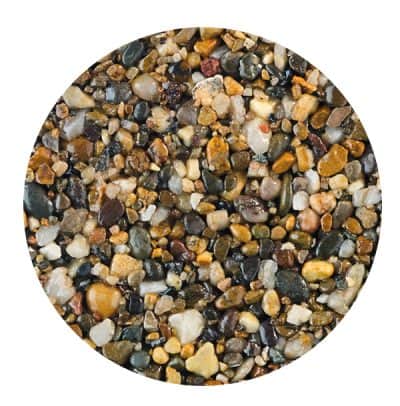
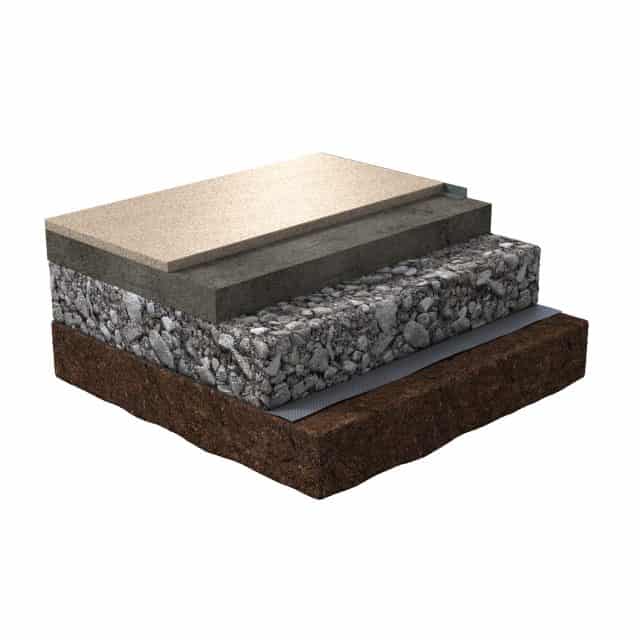
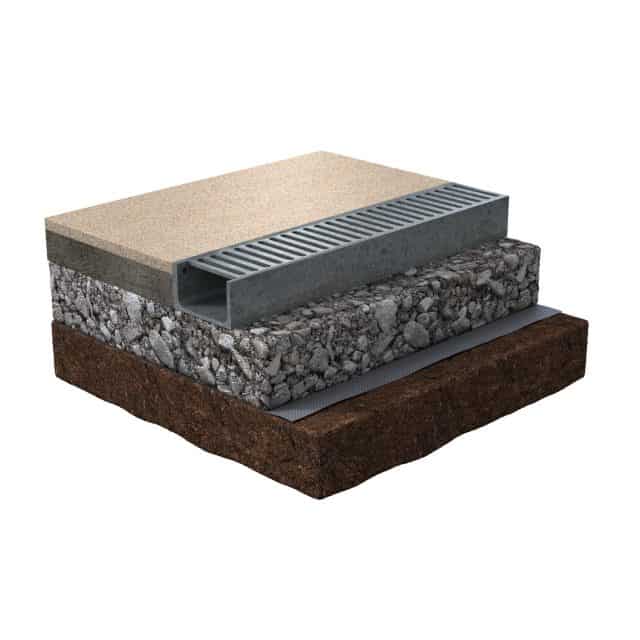
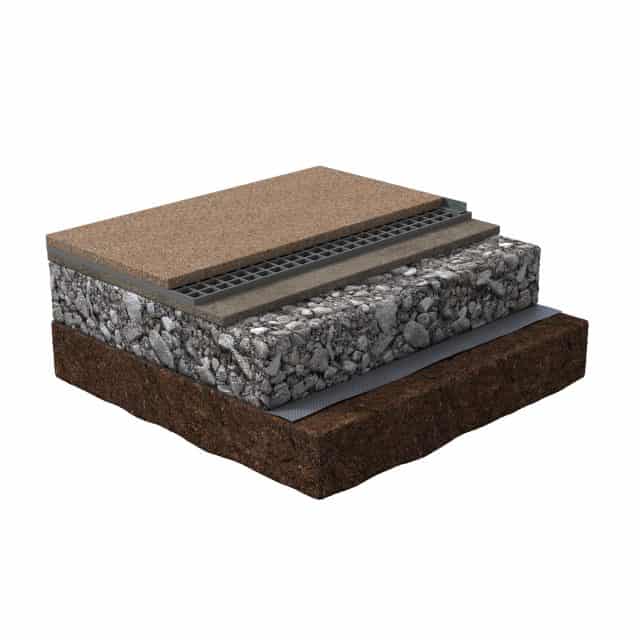
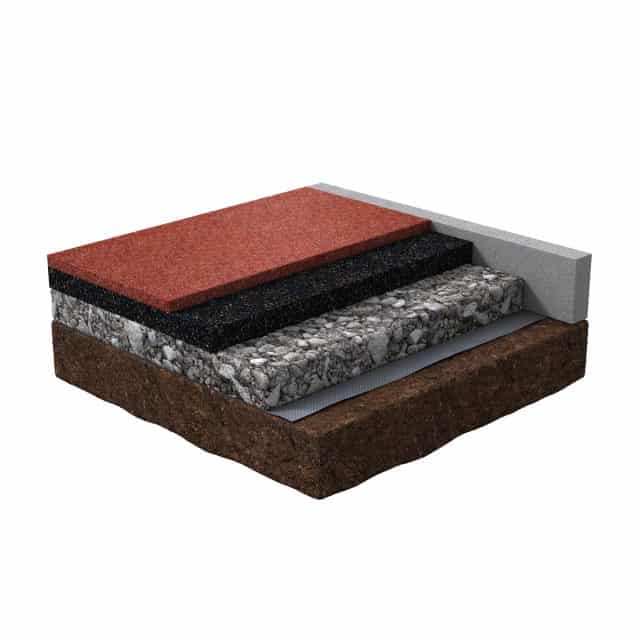
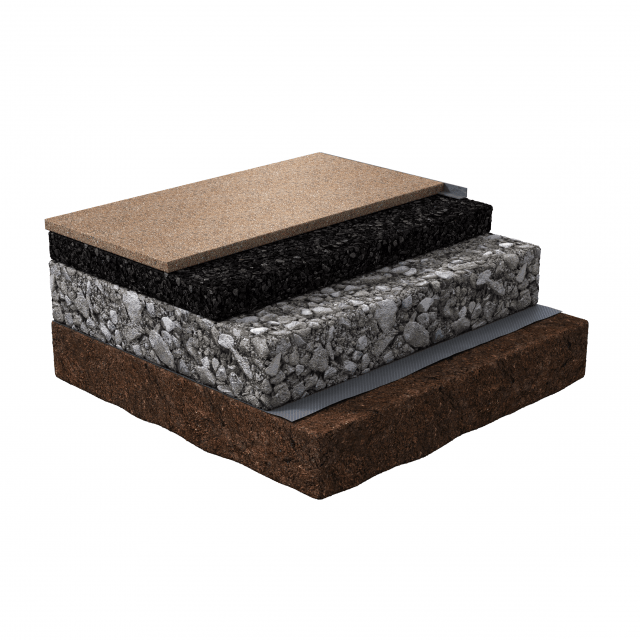
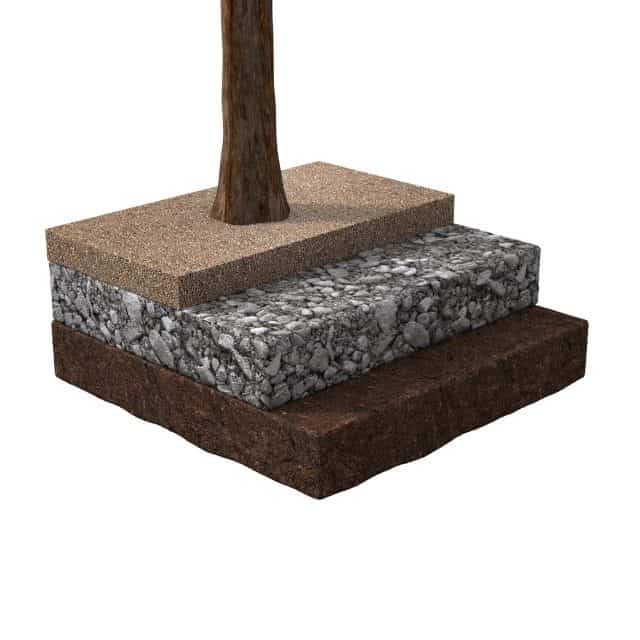
Fully Permeable (SuDS Compliant): Water drains naturally through the surface, preventing puddles and reducing flood risk.
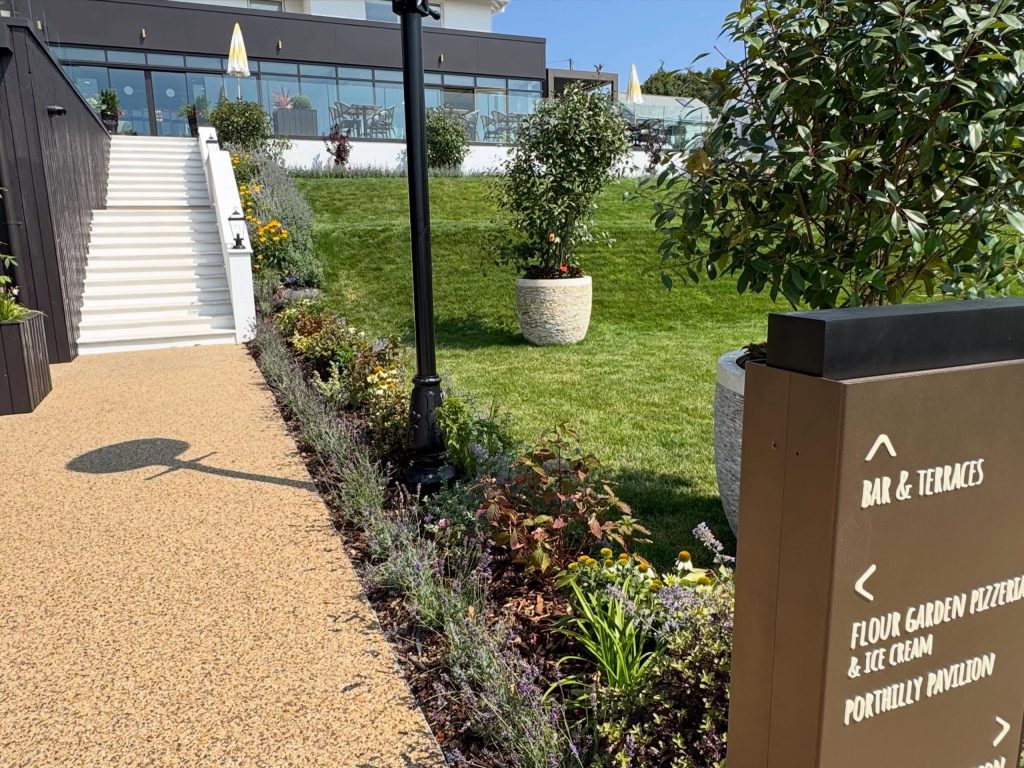
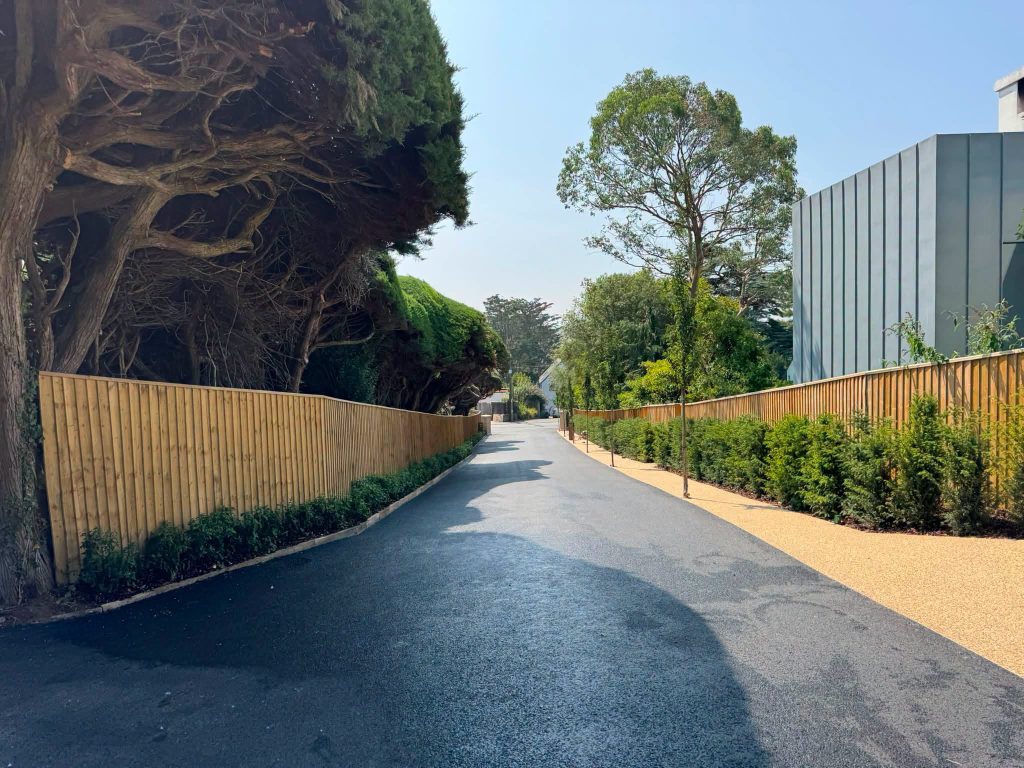
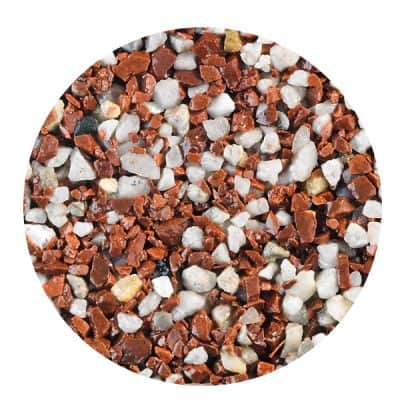
Smooth, Seamless Finish: The stone is bound in clear resin, meaning no loose stones, no weeds, and accessible, wheelchair-friendly pathways.
Highly Durable: UV-stable resins ensure the surface won’t fade or discolor, even in direct sunlight.
Low Maintenance: A simple sweep and occasional power wash are all it takes to keep the finished surface looking pristine year-round.
Ready to upgrade your surface?
Speak with our Cornwall-based Sales Manager, Dani Thomas, to discuss your surfacing project, or complete the form on the right to learn more:
M: 07717 133 010
T: +44 (0)1637 856 684
E: danit@dcmsurfaces.com
REQUEST A QUOTE
Please complete the form below and a member of our team will get back to you within 24 hours (Mon-Fri).
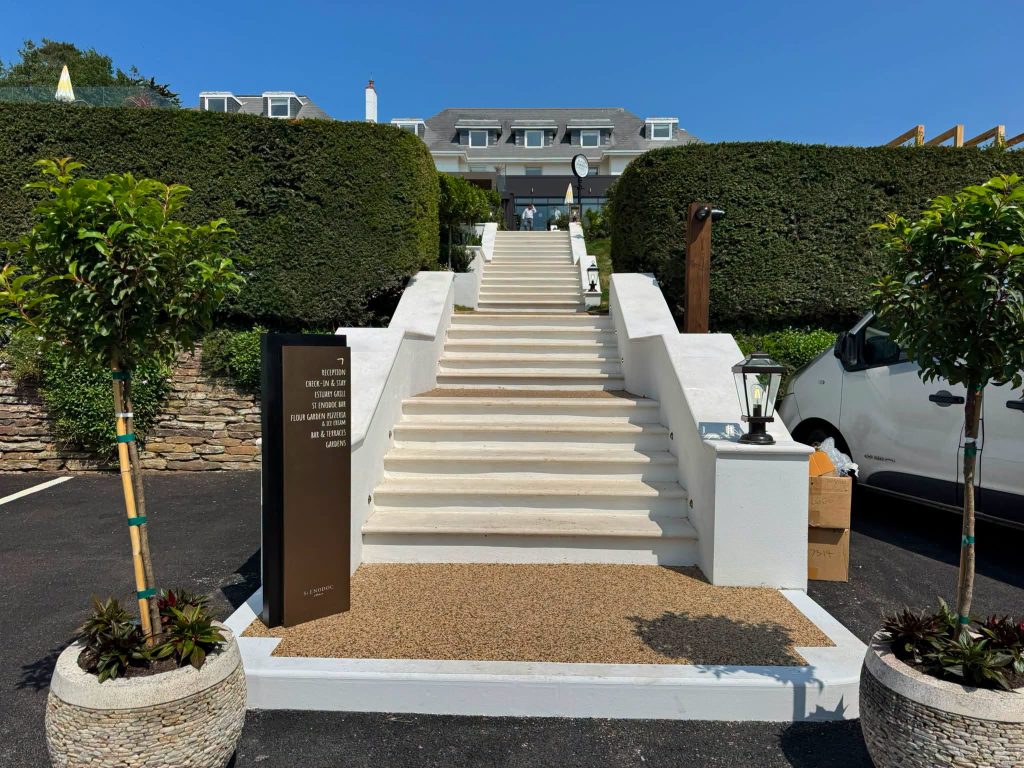
Featured Cornwall Installation: St Enodoc Hotel
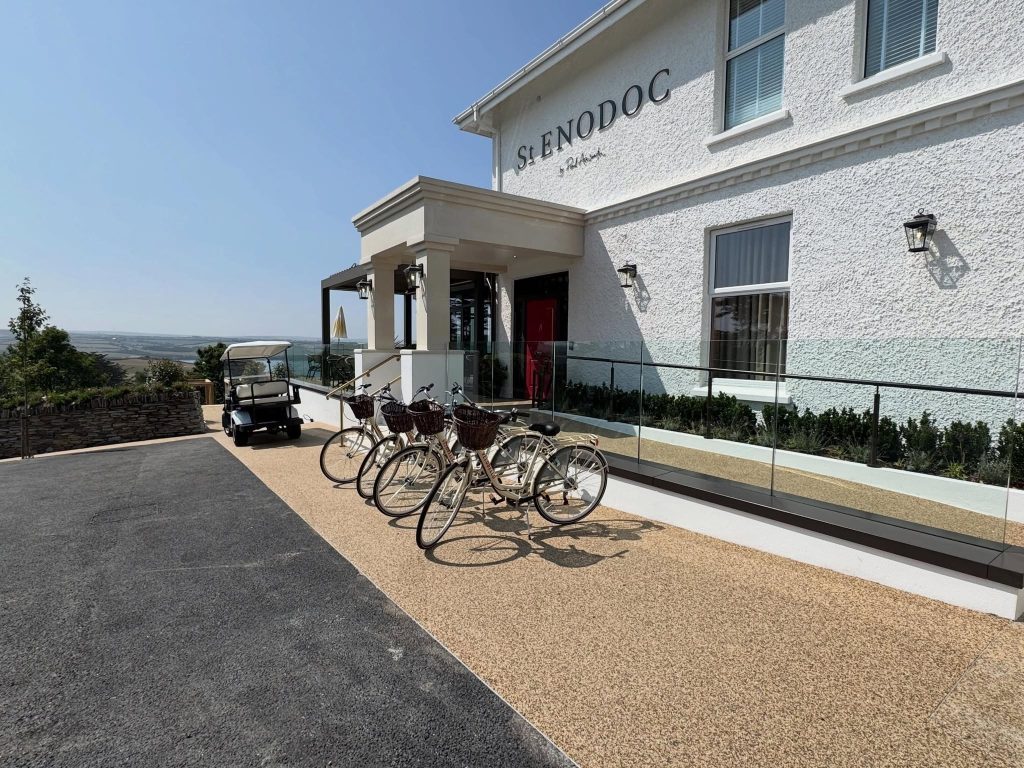
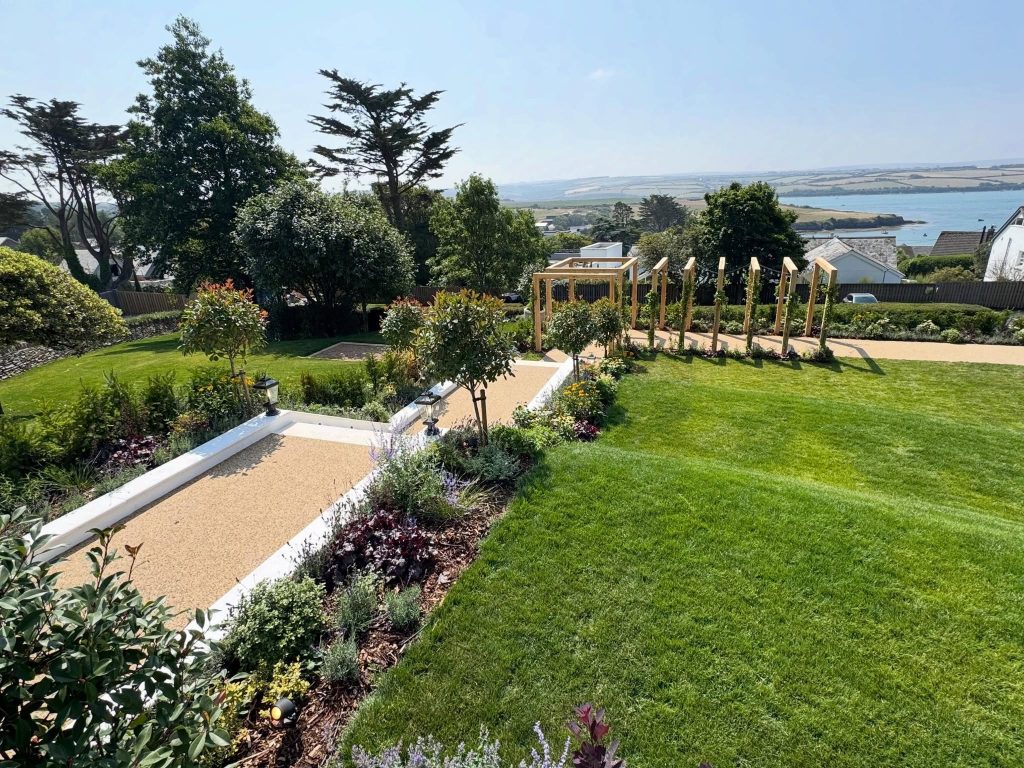
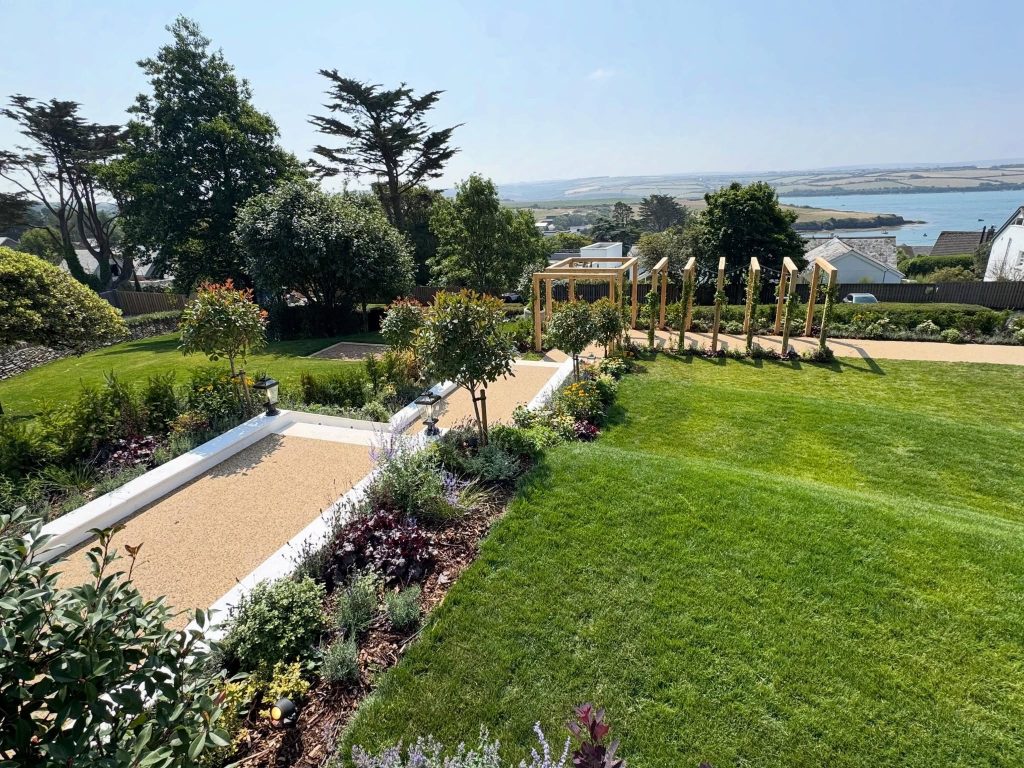
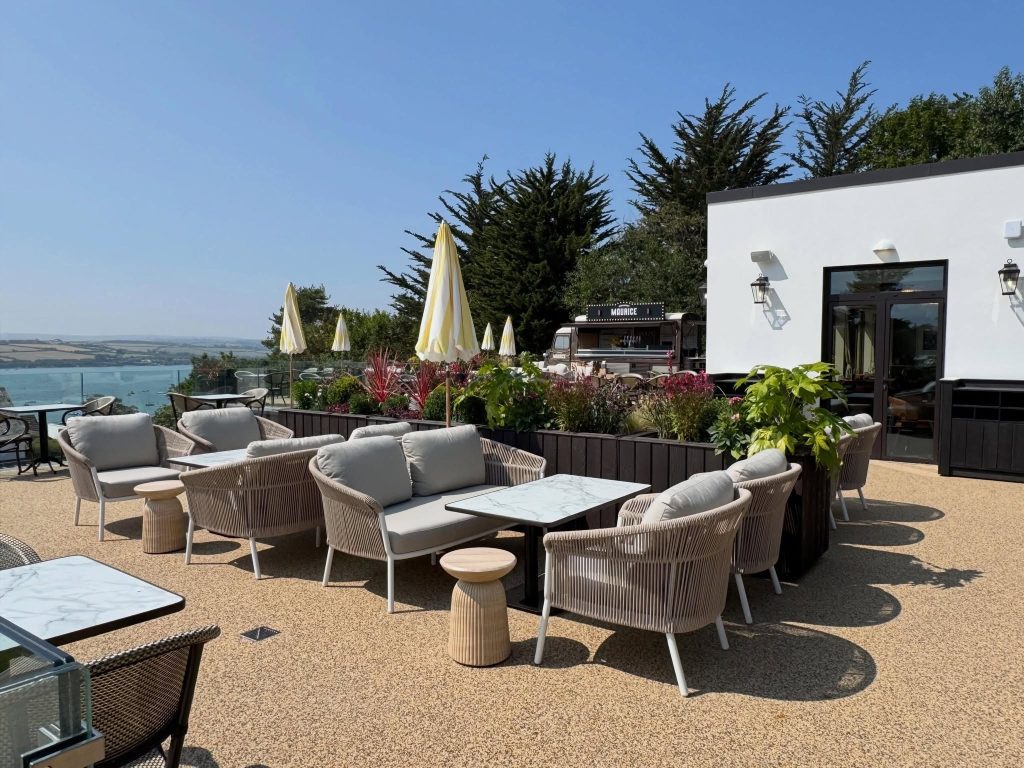
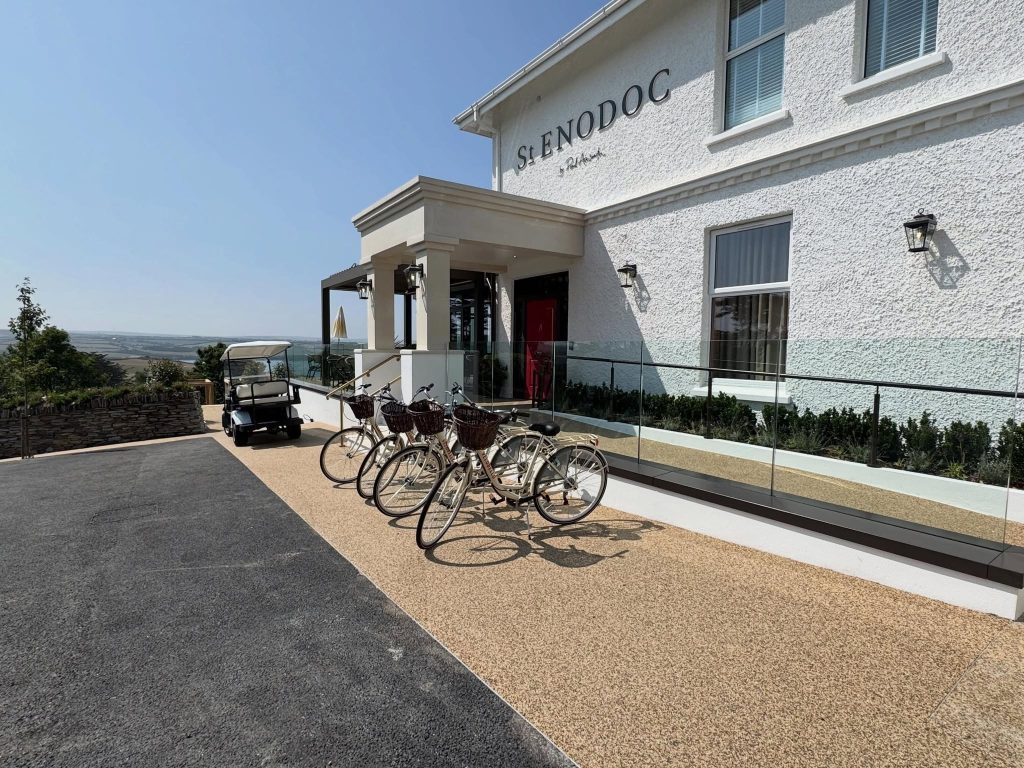
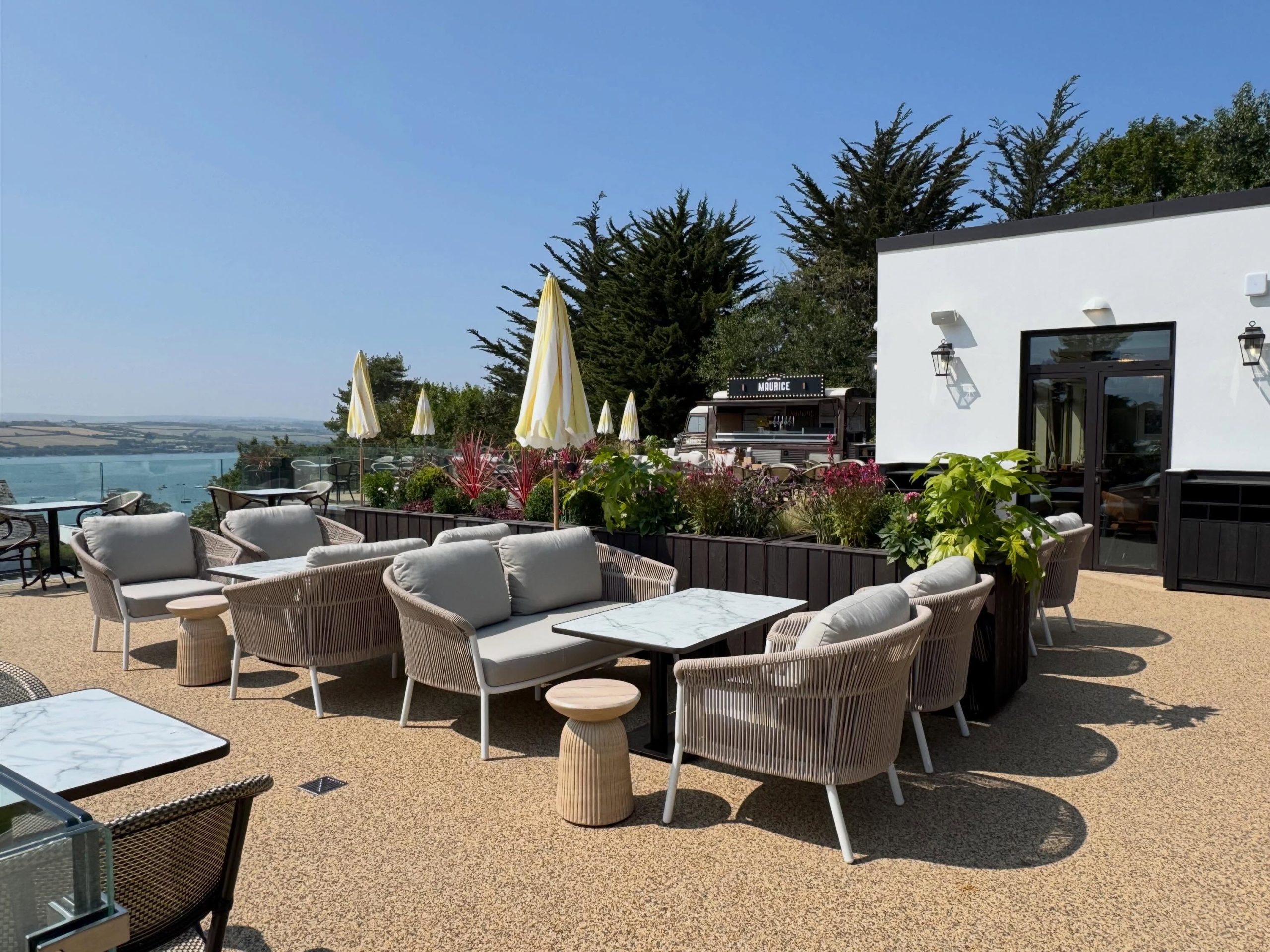
Recently, our team completed a major 1,500m² resin bound gravel installation at the renowned St Enodoc Hotel in Cornwall. A true highlight of the Cornish coast, this prestigious property is owned by chef Paul Ainsworth and famously visited by culinary figures such as Gordon Ramsay, Jamie Oliver, Rick Stein, and Nathan Outlaw. This prestigious property—owned by renowned chef Paul Ainsworth—required a comprehensive exterior surfacing upgrade. The objective was to deliver a seamless, durable, and slip-resistant finish that would elevate the aesthetic of the grounds and complement the coastal surroundings.
Trusted by developers, architects, and homeowners, we provide durable, eco-friendly indoor and outdoor surfaces—from playgrounds and sports pitches to decorative driveways and Daily Mile tracks. Our fully trained installers ensure compliance with British and European standards, delivering sustainable, long-lasting surfacing solutions for every project.
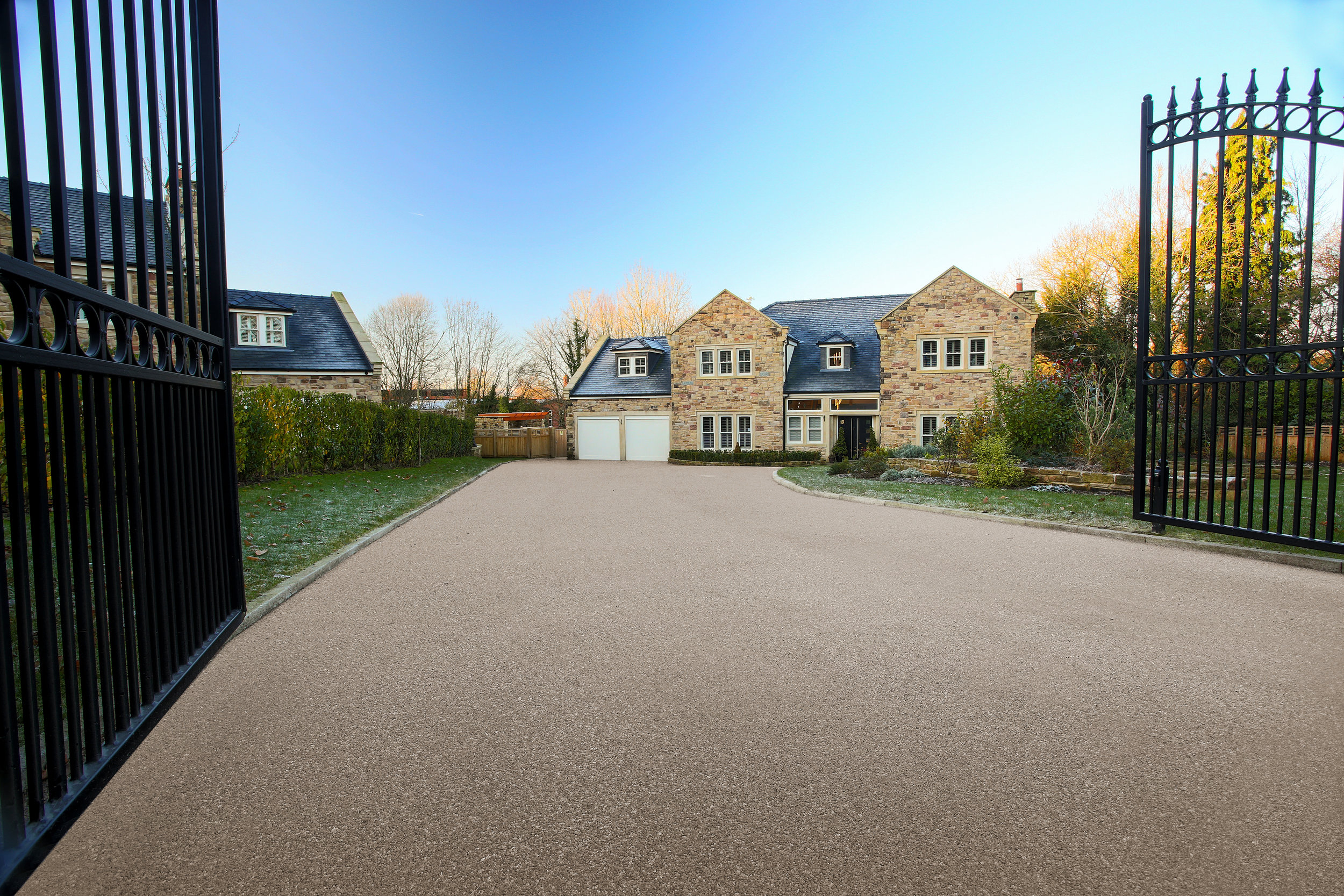
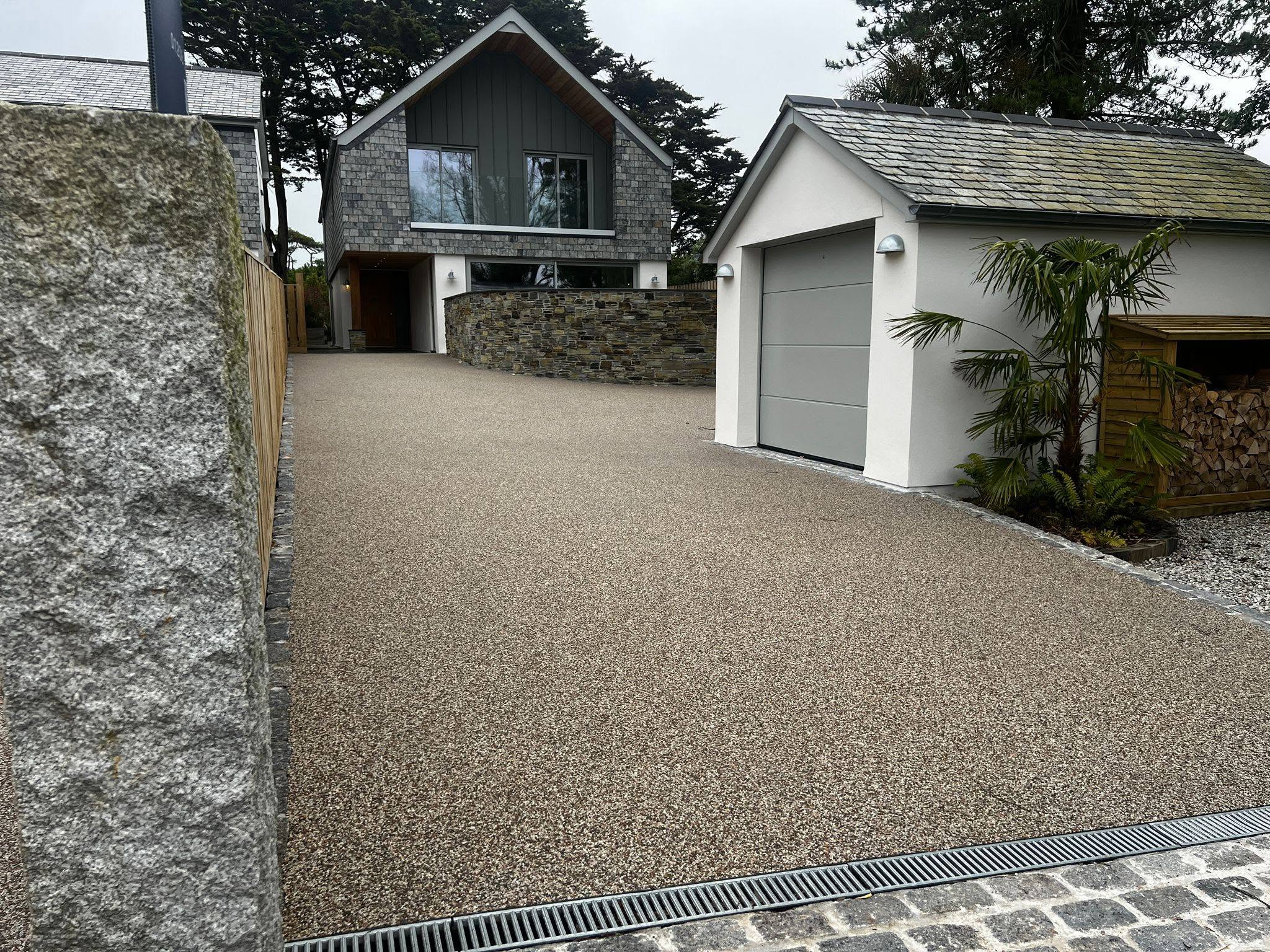
Following a successful driveway upgrade at the house next door in 2025, DCM Surfaces was invited back to deliver the exact same standard of excellence…
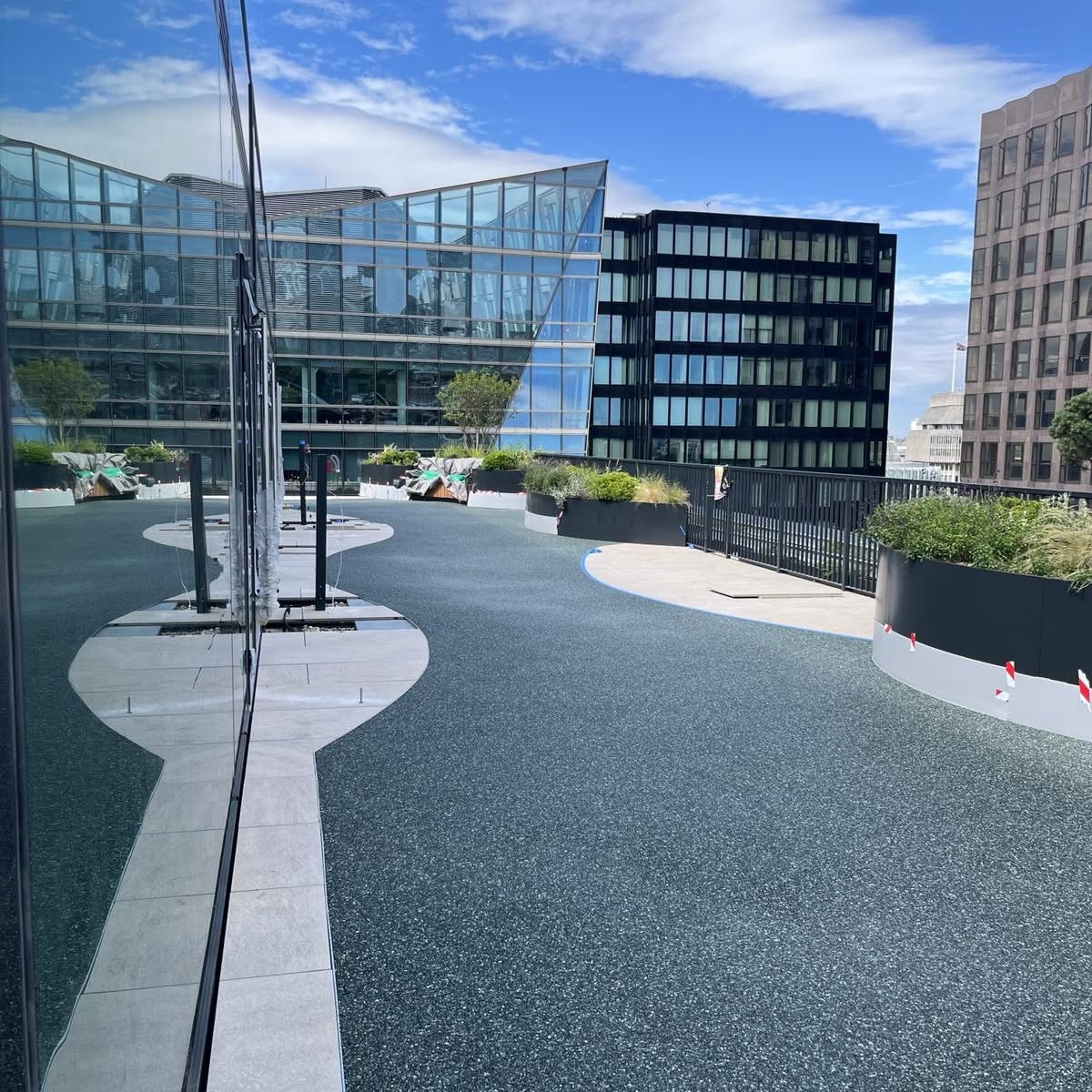
A premium rooftop terrace located in the heart of the capital required a vibrant and durable surfacing transformation. The objective was to create a striking…
Owned by renowned chef Paul Ainsworth, the St Enodoc Hotel in Cornwall is a true coastal gem. The prestigious venue required a comprehensive upgrade across…
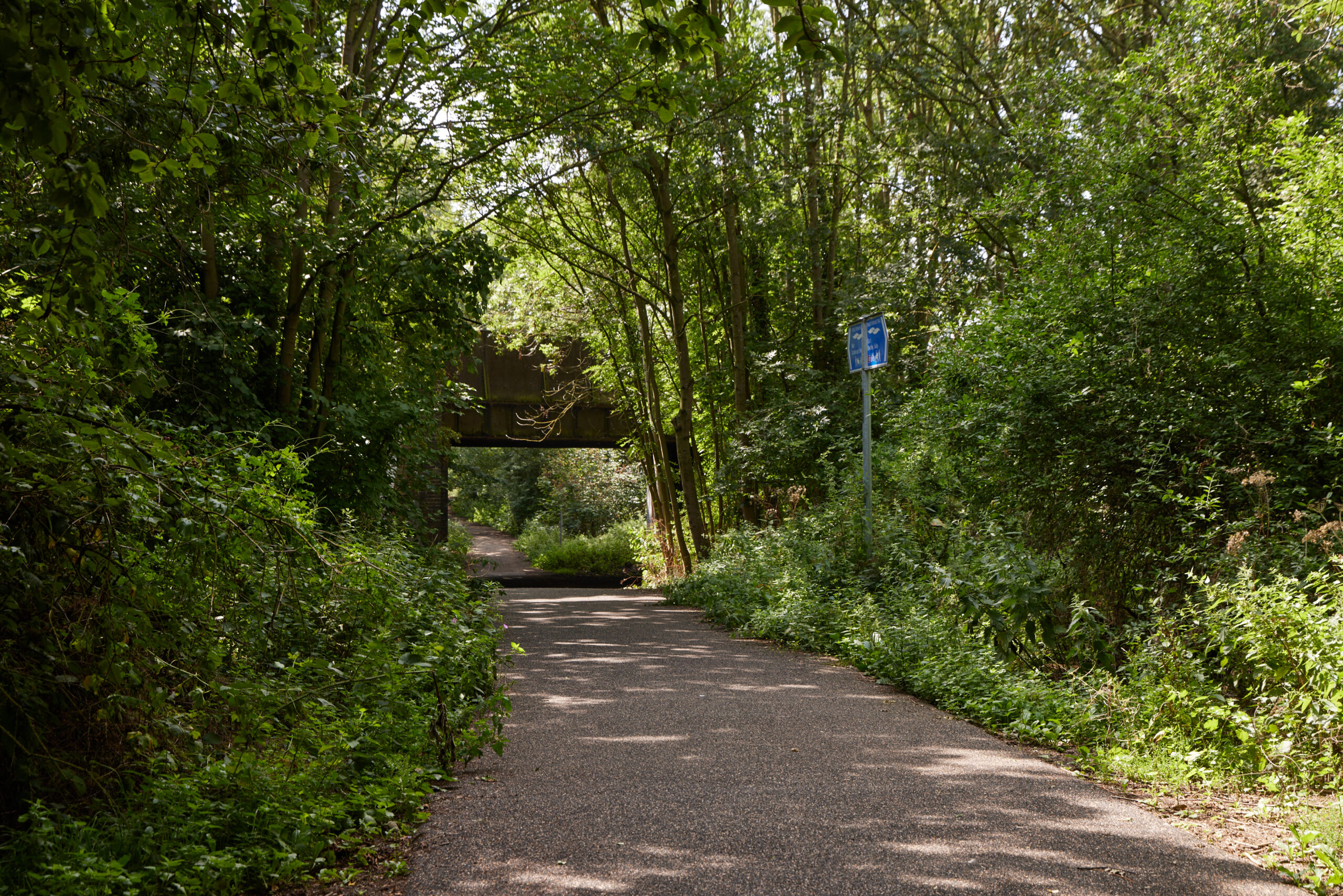
DCM Surfaces was commissioned to transform the surfacing of a structural viaduct and adjacent ground-level spaces into a multi-functional community hub as part of a…
What is the difference between resin bound gravel and bonded gravel?
Bound gravel has a smooth texture and is porous, whereas bonded gravel has a rough texture and is not porous.
Does resin bound gravel require maintenance?
Resin bound gravel should be swept regularly to avoid a build-up of debris, resulting in the surface becoming less porous.
What can resin bound gravel be laid on?
Resin bound gravel is to be installed onto a minimum of 50mm AC14 open texture binder course.
Can vehicles be driven on resin bound gravel?
The stone aggregate and resin are extremely hard-wearing, so vehicles can be driven on the surface. However, there may be a required depth that the surface must be laid to, depending on what the surface is going to be used for.
What size aggregate is used for the resin bound surfacing?
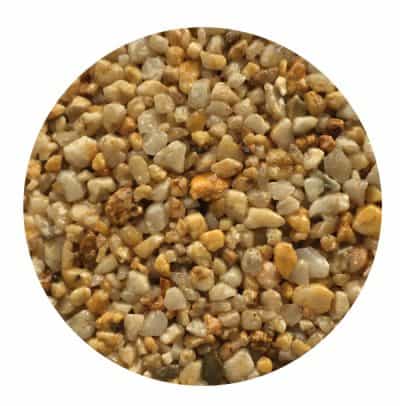
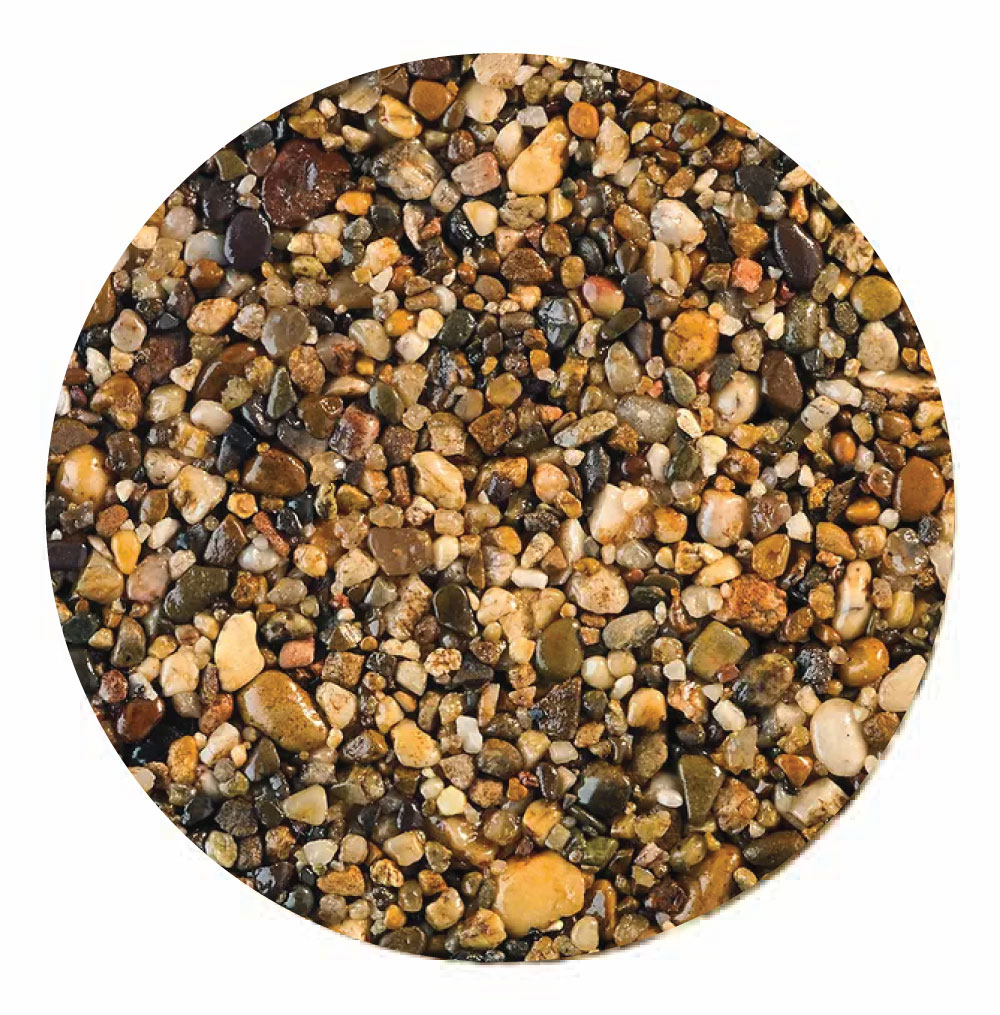
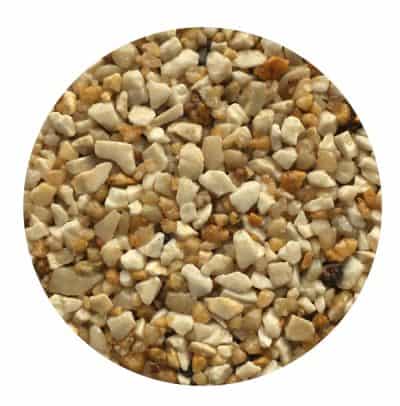
A 1-3mm or 2-5mm aggregate is the most popular size used for a driveway, terrace or path, ensuring the internal build-up of the surfacing is a tight, well-bound mixture, with the right amount of cavitation for permeability. We recommend a minimum depth of 20mm for a driveway and a minimum depth of 16mm for a path or terrace. For tree pits, we would recommend a 5-8mm or 10mm size aggregate to achieve optimum strength and porosity.
Will there be any changes to the resin bound surfacing during extreme weather?
The resin bound surfacing has cavitation with the mixture, so water will run through the surface and back into the ground. This prevents the water from pooling on top of the surface, causing a freezing problem. Again, due to the cavitation with the mixture, the resin bound surface will remain cooler than asphalt or concrete during extreme heat due to air circulating through it.
What temperature should resin bound gravel be laid in?
The air temperature should be a minimum of 5 degrees and the surface temperature should be a minimum of 3 degrees above dew point (the temperature at which condensations forms).