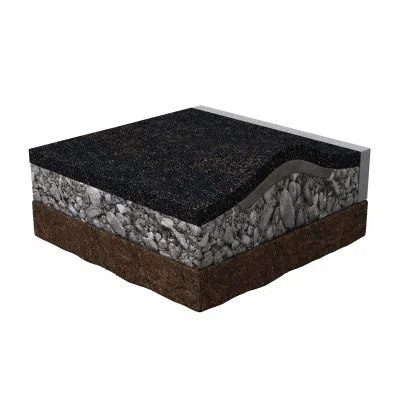
RUBBER-GRAVEL MIX
(SBRA)

Durable, Flexible, Eco-Friendly

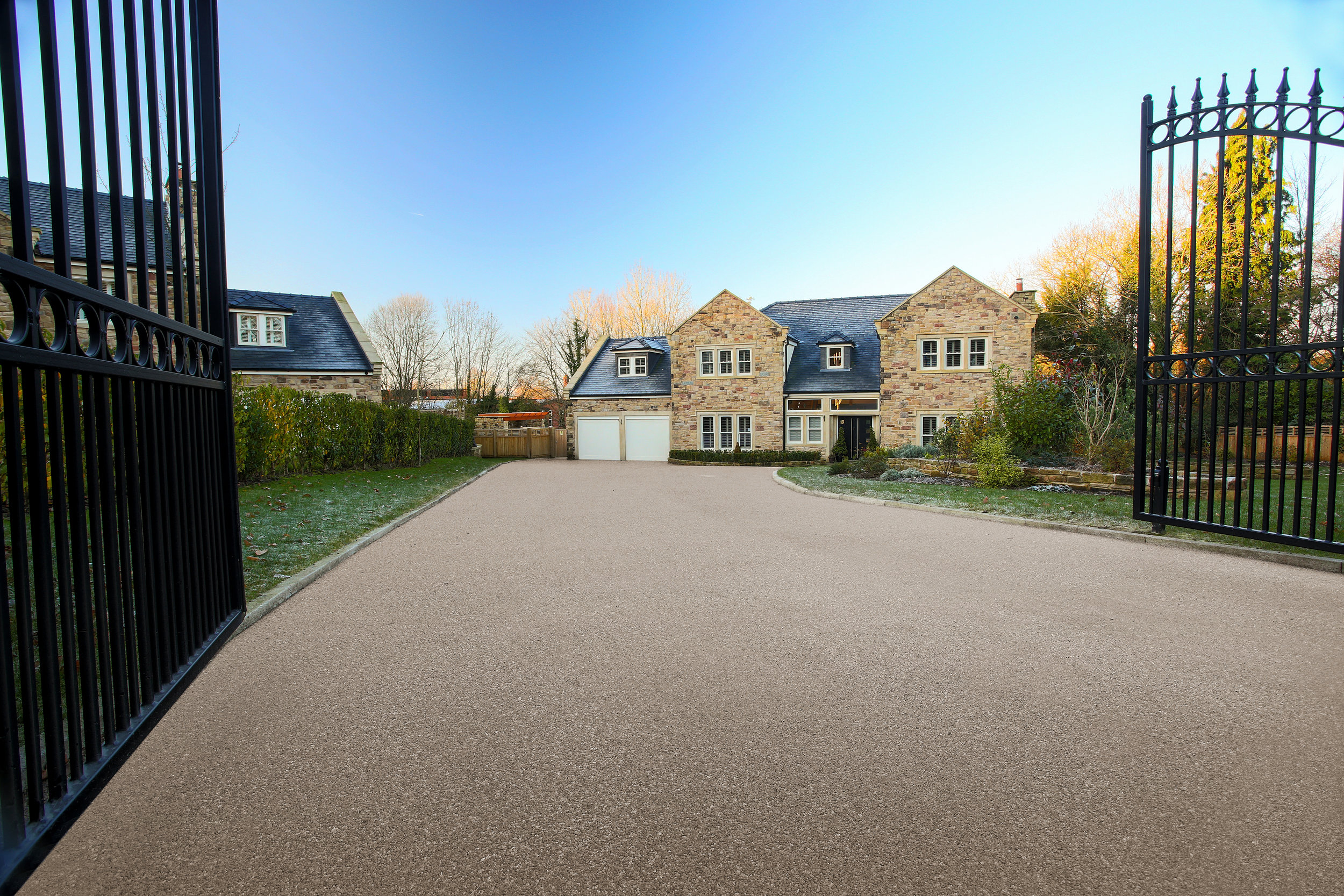
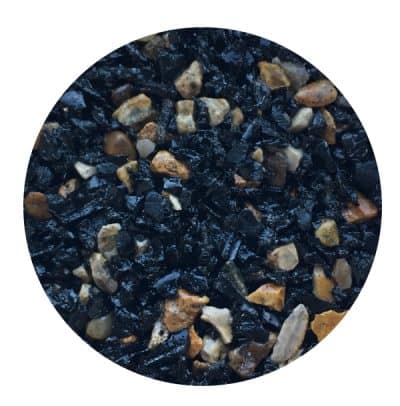
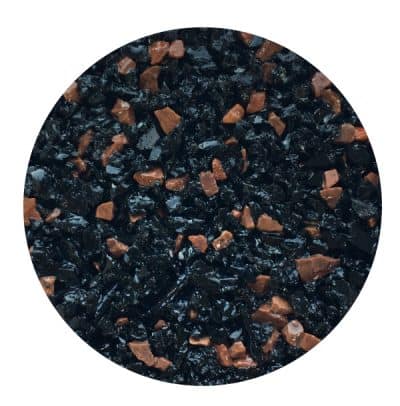
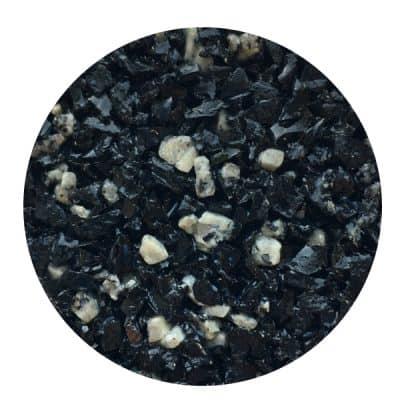
Rubber Gravel Mix combines recycled rubber granules with natural aggregate to create a flexible, durable, and attractive surface. Ideal for footpaths, canal paths, tree pits and cemetery paths, rubber gravel mix offers excellent water permeability while maintaining strength and stability. Available in a three colours, this surfacing is slip-resistant, low-maintenance, and provides a lower cost alternative to traditional gravel.

*Colours shown are for reference only. For exact colour matches, please request a sample.

Gold Rubber-Gravel Mix
Red Rubber-Gravel Mix
Silver Rubber-Gravel Mix
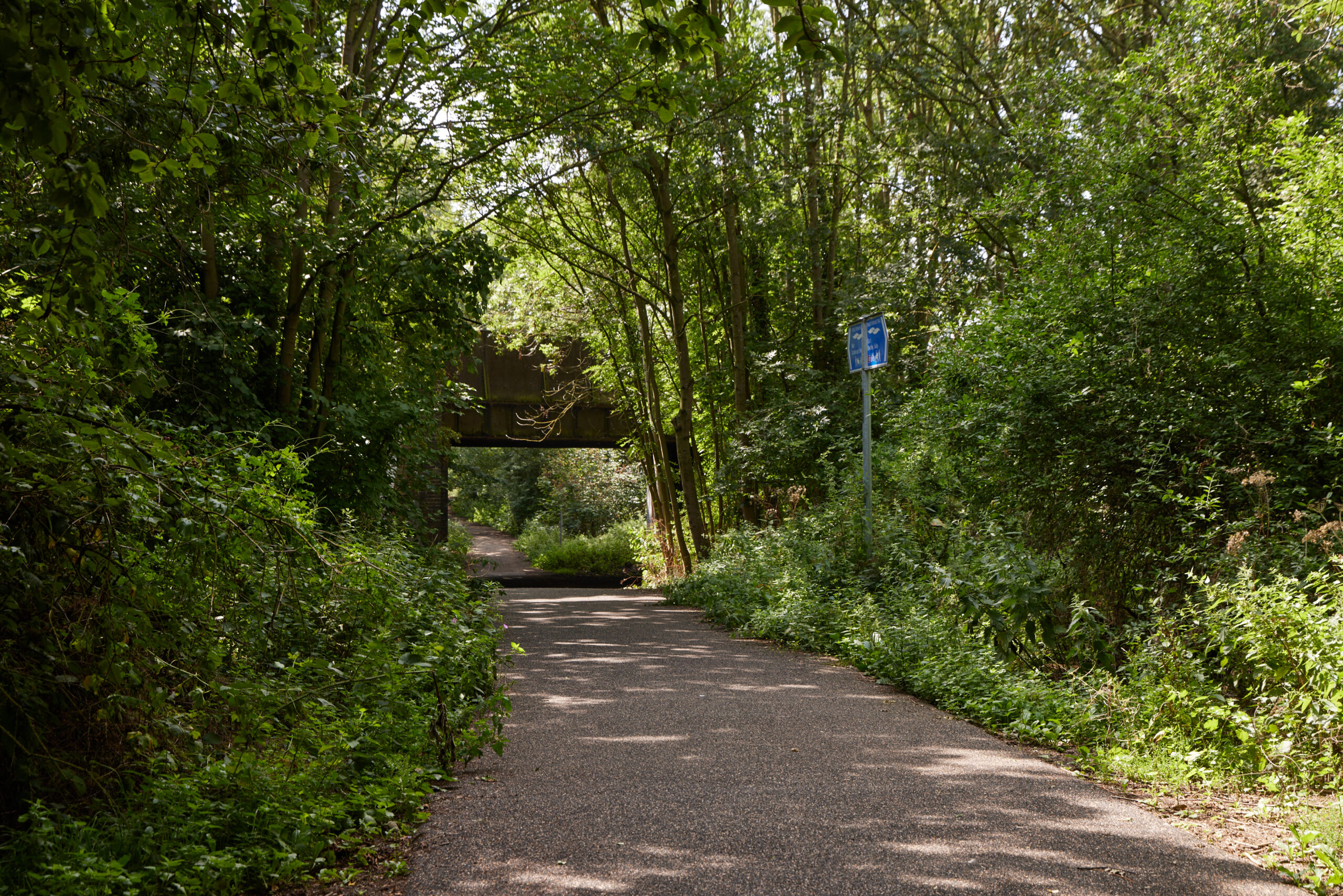
Surface Type :Rubber Gravel Mix
Location : Doncaster
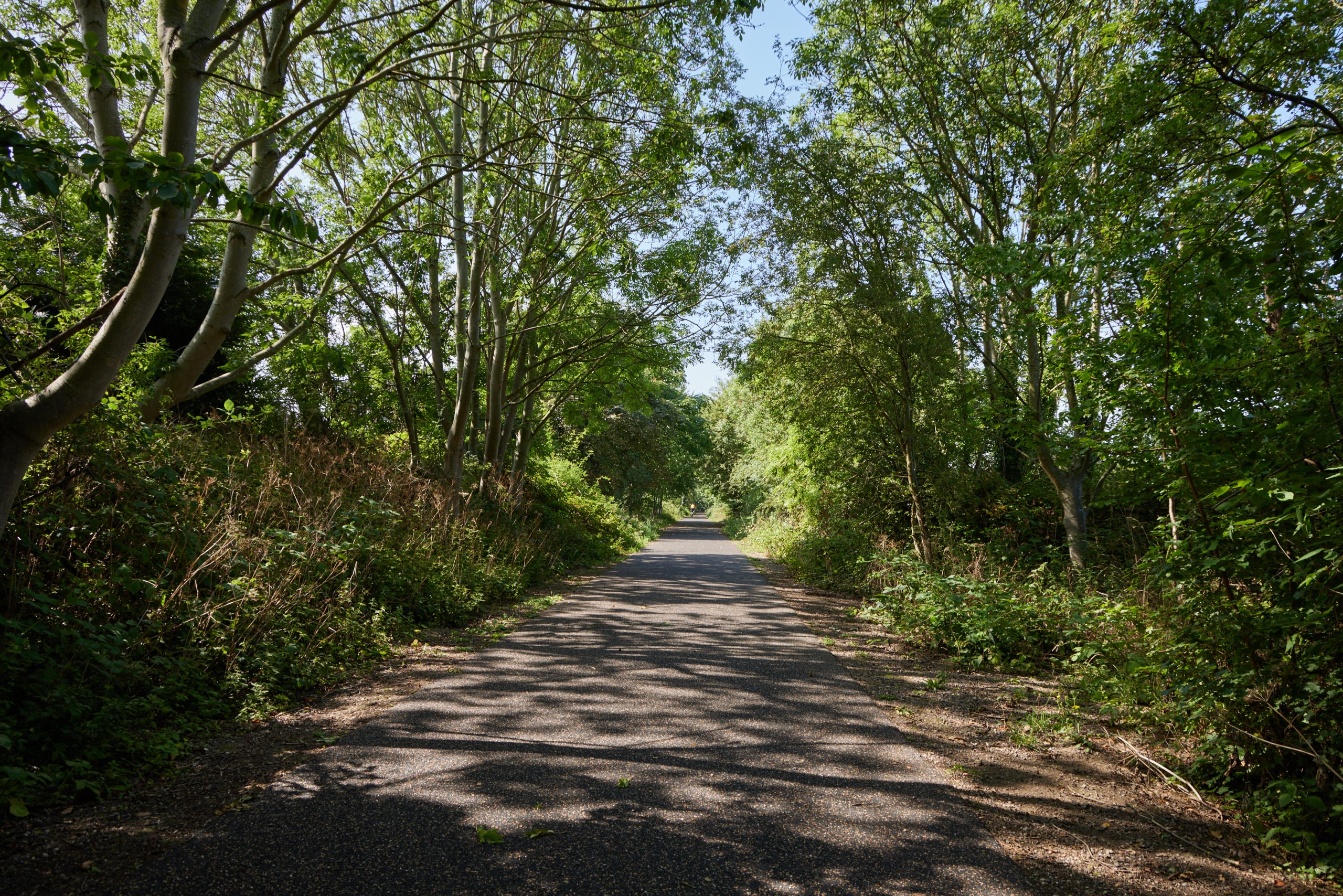
DCM Surfaces successfully completed the installation of a 5,360m² porous pathway along the Trans Pennine Trail in Doncaster….
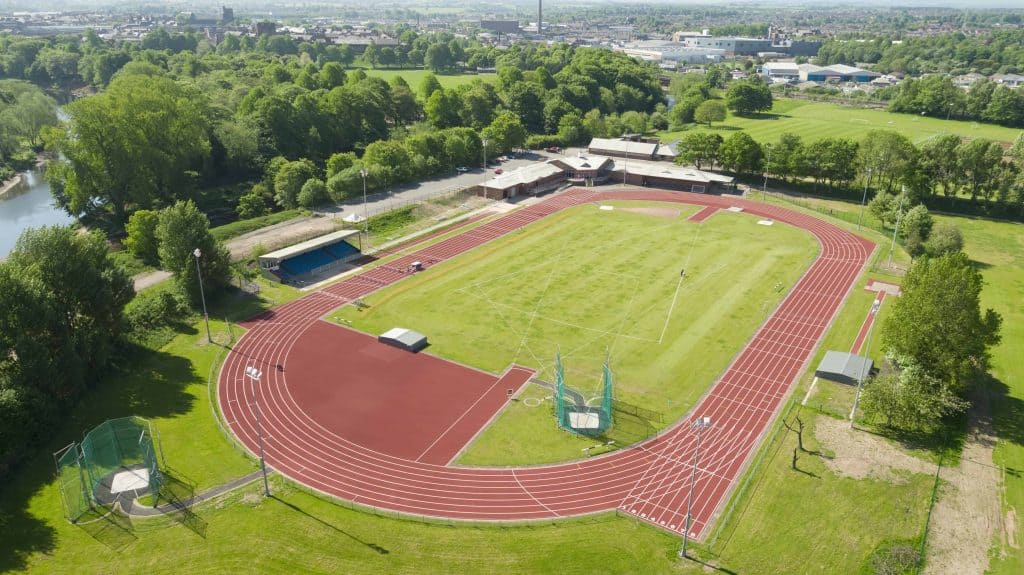
Surface Type :Rubber-Gravel Mix
Location : Wigan
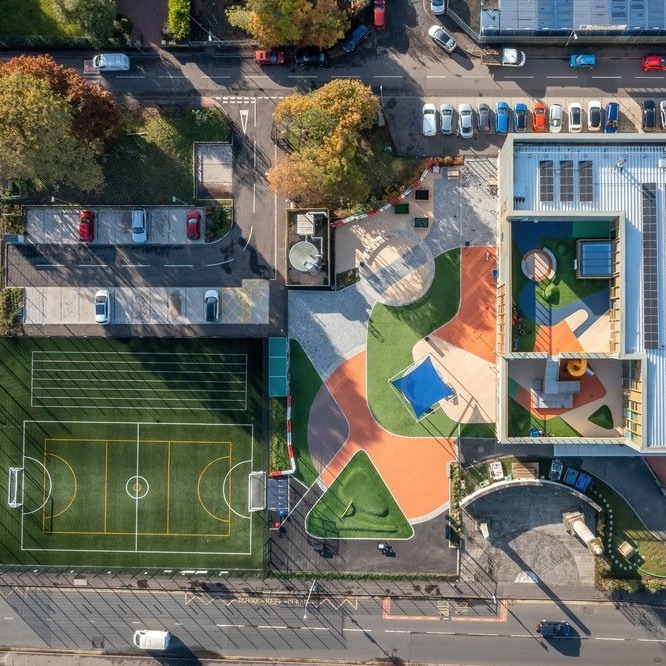
Millbrook Primary School required a 540lm x 1.5m all-weather running track which could be installed over the existing sports field….
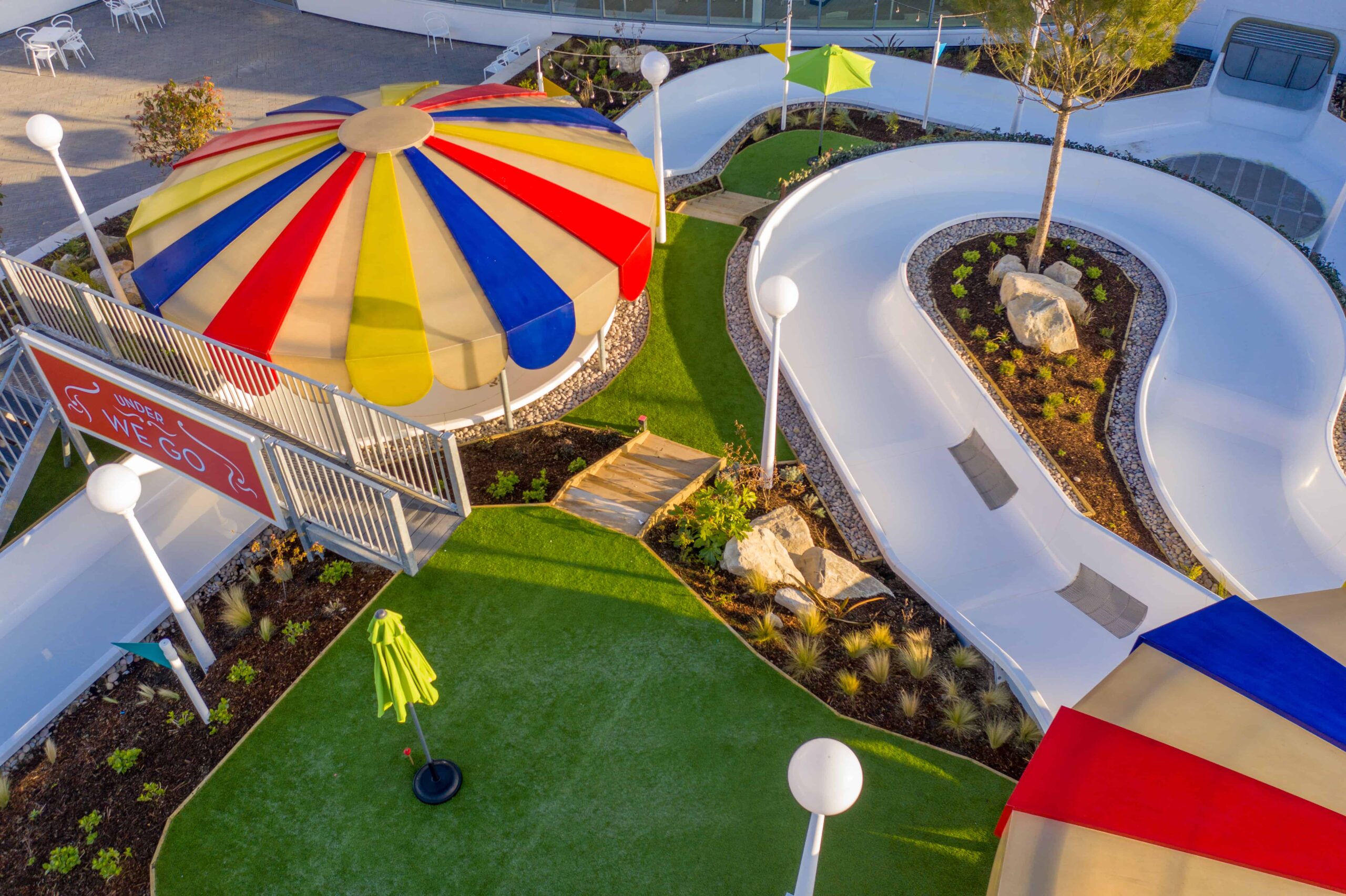
Surface Type :Rubber-Gravel Mix
Location : Huddersfield
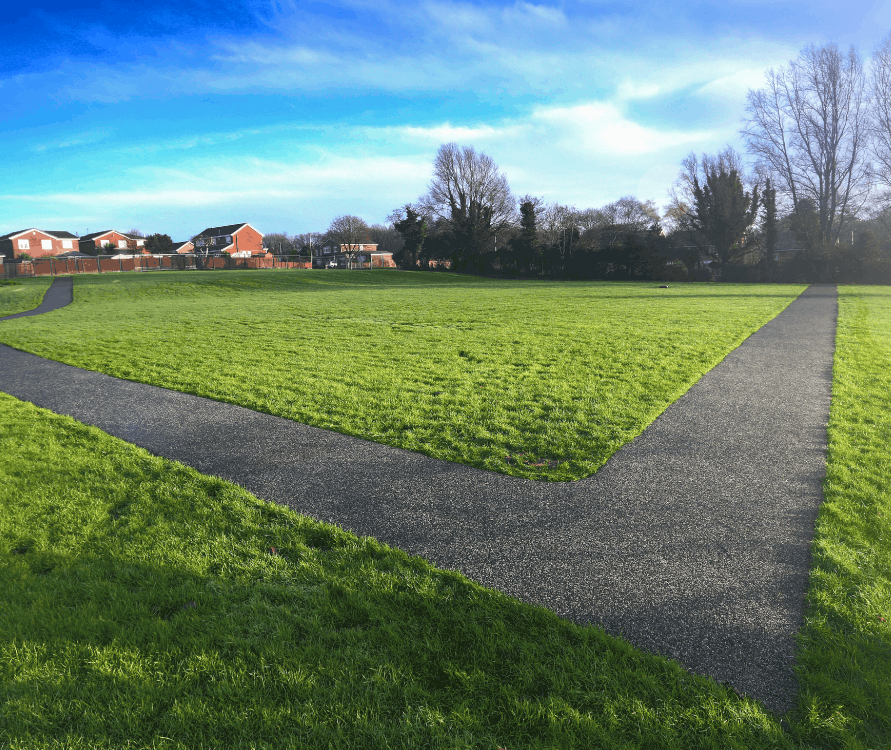
DCM Surfaces were delighted to work on the project to install over 3000m2 of Rubber-Gravel Mix along Huddersfield Canal Path….

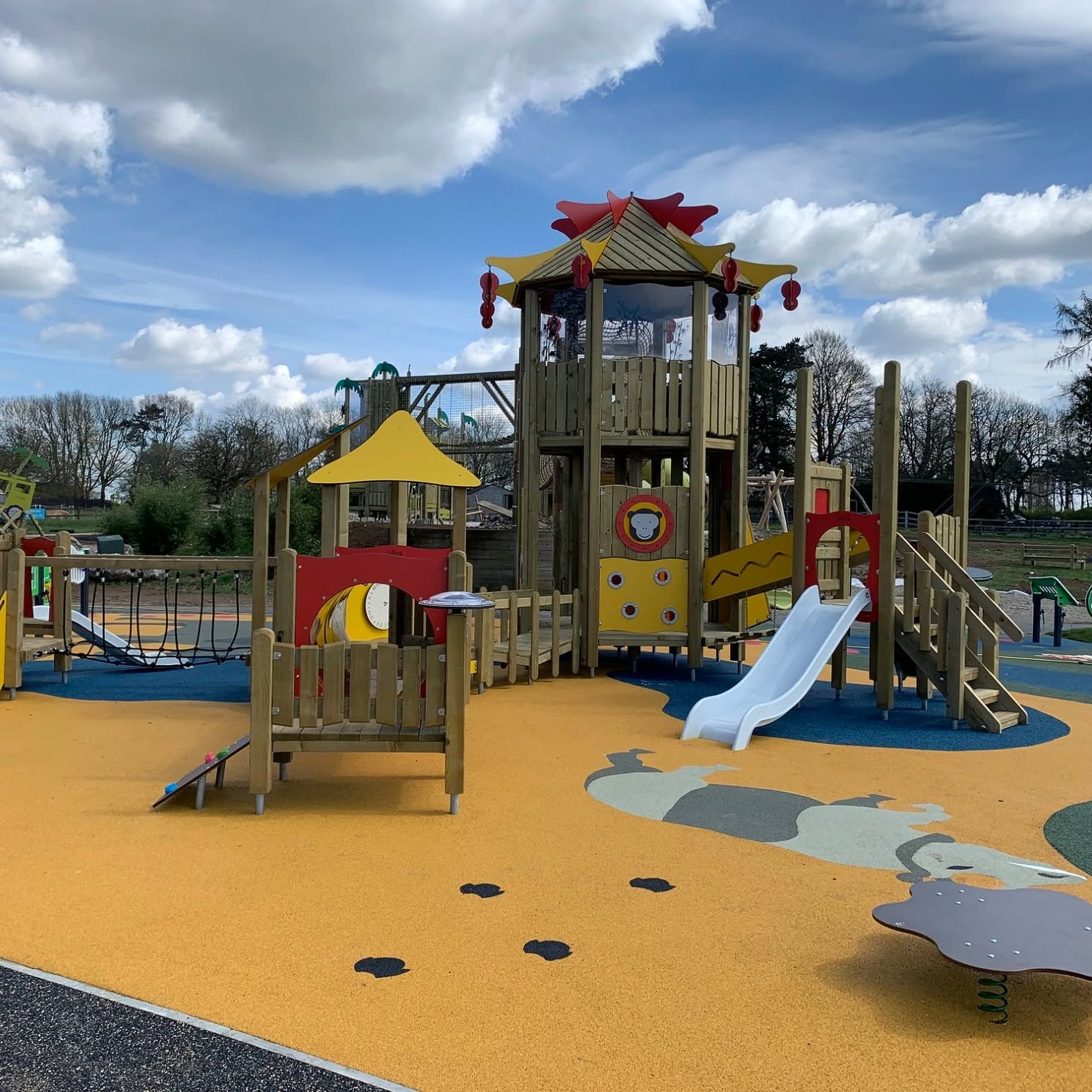
Wetpour is most often installed onto a prepared hard surface, such as stone (MOT) or macadam. The sub-base should be dry, level and compact all over, and any deviations should be such that when a 3m long straight edge is placed in any position on the surface, the gap between the straight edge and the surface shall at no point be greater than +/-6mm.

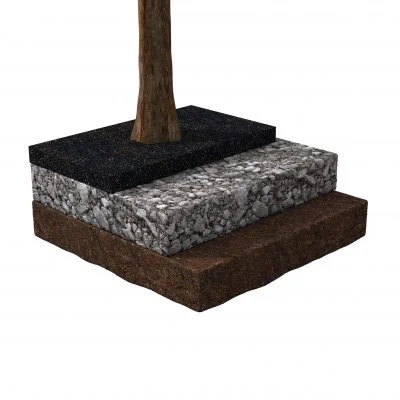
Rubber-Gravel Mix Tree Pits

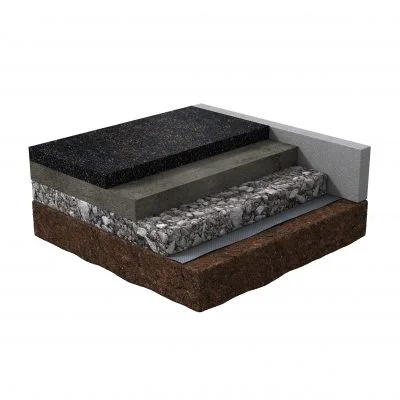
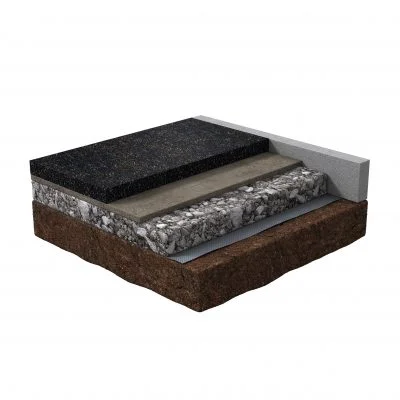
Rubber-Gravel Mix onto Concrete

Rubber-Gravel Mix onto Flags

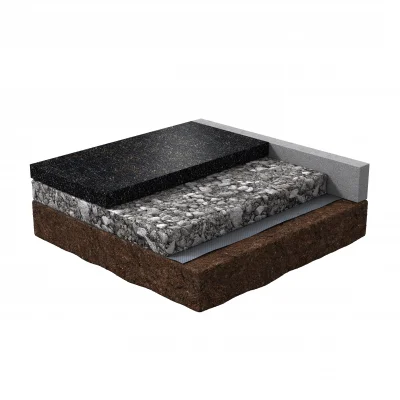
Rubber-Gravel Mix onto Tarmac

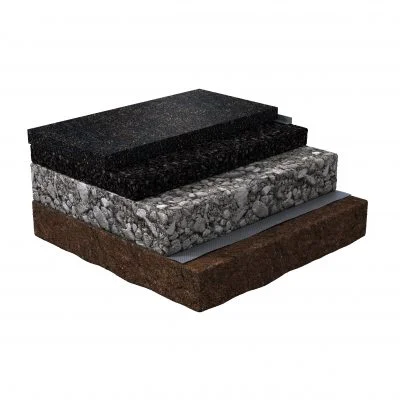
Rubber-Gravel Mix onto MOT

Rubber-Gravel Mix Mound

What are the main advantages of rubber-gravel surfacing when compared to resin bound gravel?
Typically, rubber-gravel mix is cheaper, more porous and provides enhanced slip resistance. The rubber element is from recycled sources and the overall feel is soft underfoot, making it a much more appealing pathway solution.
Rubber-gravel mix should be swept regularly to avoid a build-up of debris, resulting in the surface becoming less porous. Periodic jet washing is also recommended using a low-pressure setting.
The rubber-gravel mix is highly porous, so water will run through the surface and into the ground. This prevents the water from pooling on top of the surface.
The air temperature should be a minimum of 5 degrees and the surface temperature should be a minimum of 3 degrees above dew point (the temperature at which condensations forms).
Rubber-gravel mix can be installed onto compacted MOT type 1 stone, concrete or asphalt. Thickness varies depending on the subbase type to ensure adequate strength.
Rubber-gravel mix can accommodate light weight vehicles travelling across the surface (e.g. golf buggies), and is suitable for bicycle traffic. It is not suitable for regular motorised vehicle use.
This will depend on how heavily it will be used and how it is maintained. DCM have been back on sites over 10 years old where the rubber-gravel surfacing is still in good condition.
Unfortunately, rubber-gravel mix can only be installed in dry weather conditions.